How Objects Reveal Their Core
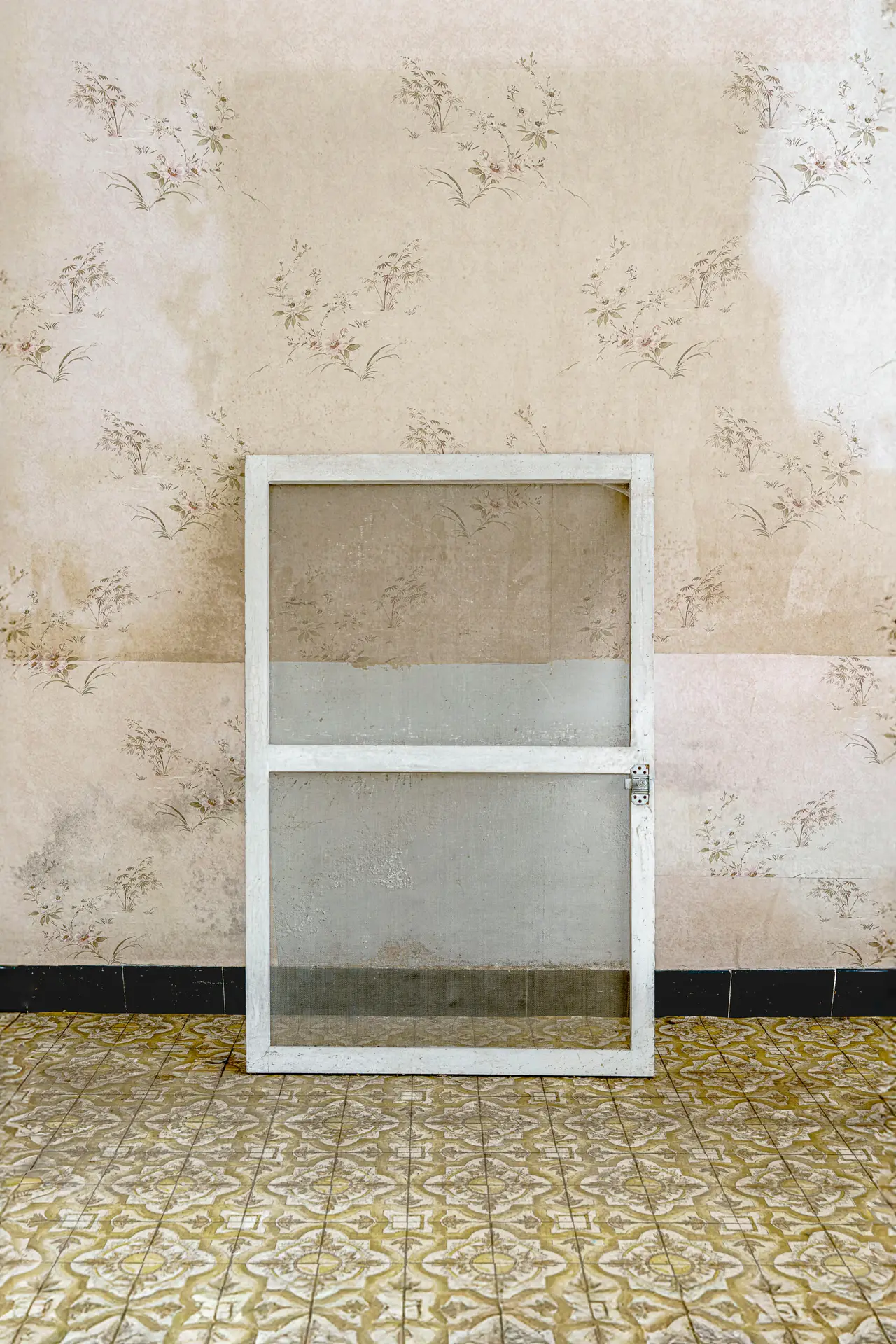
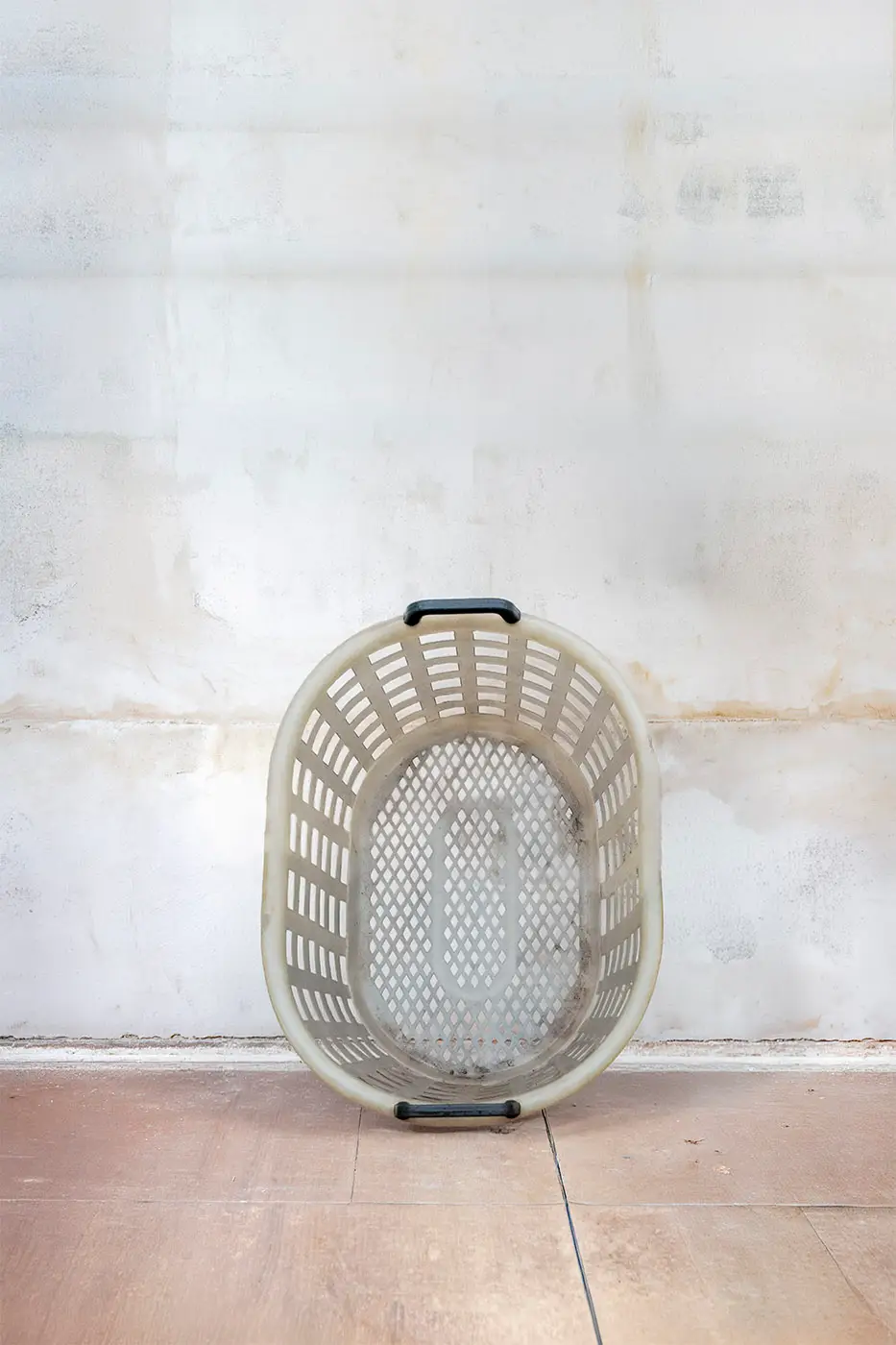
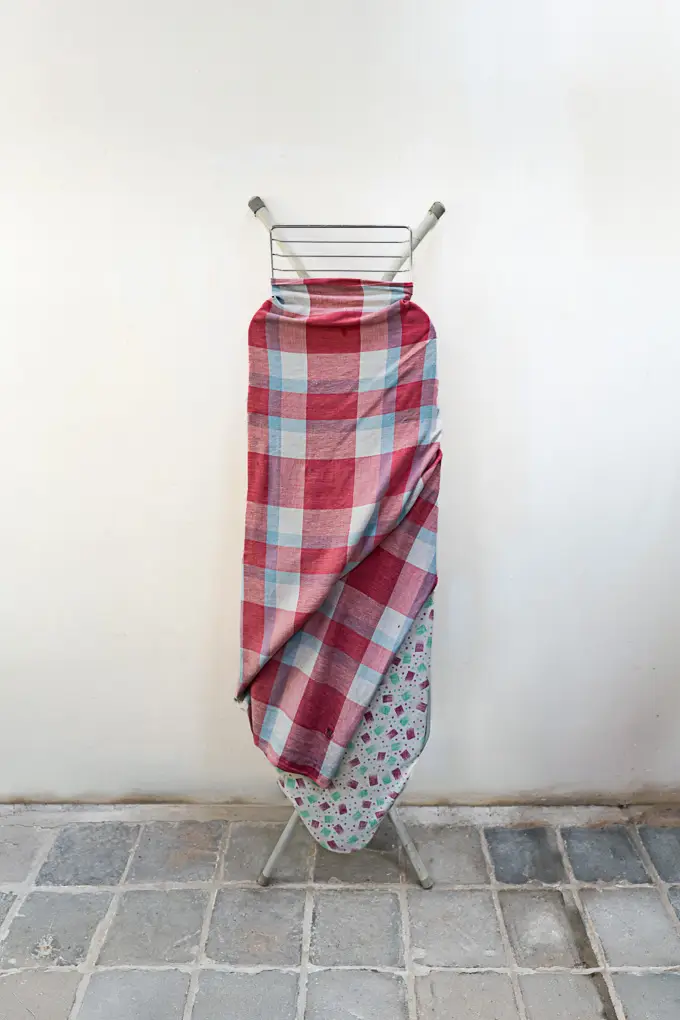
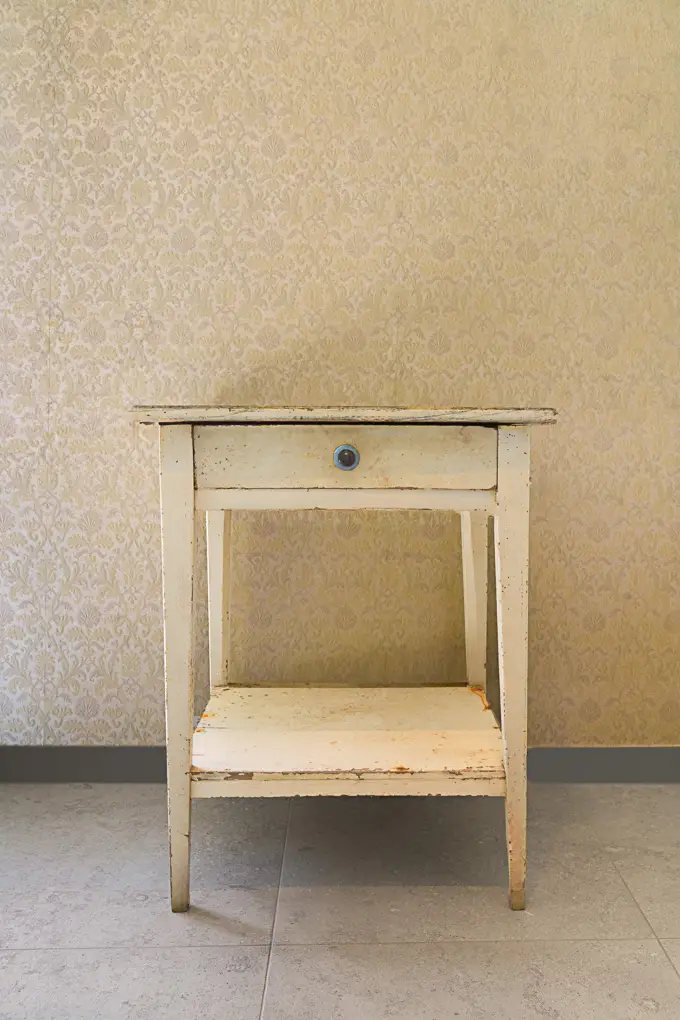
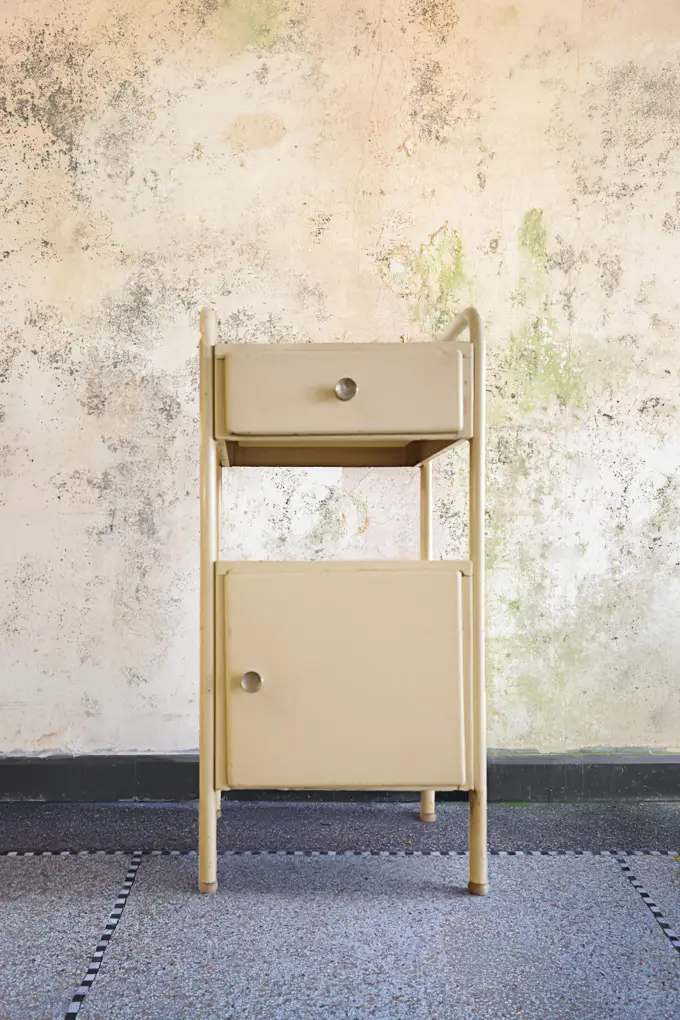
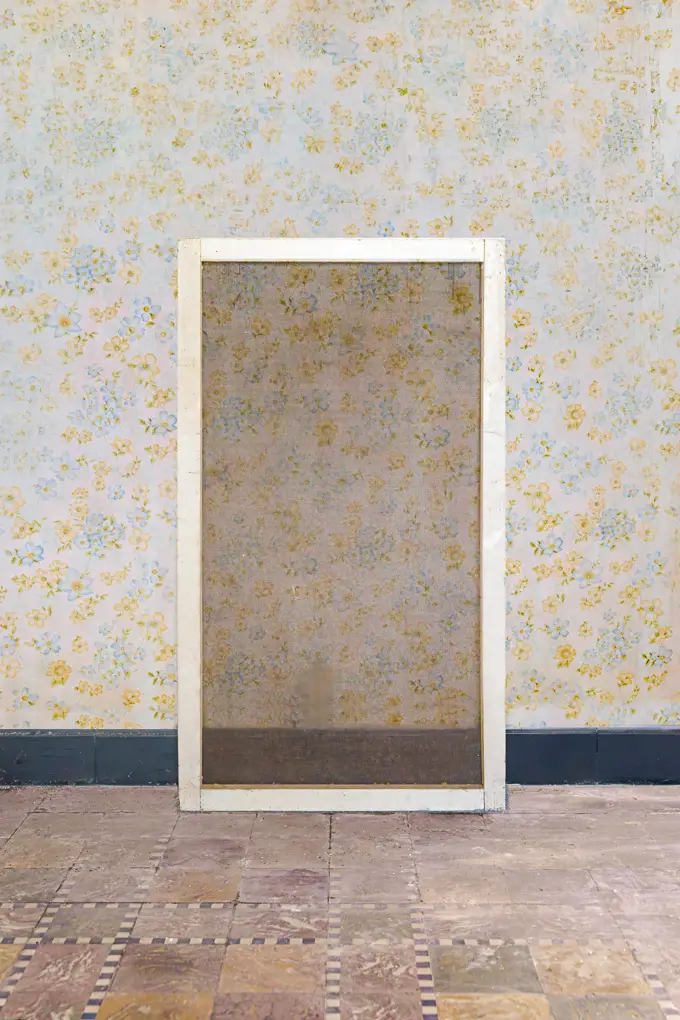
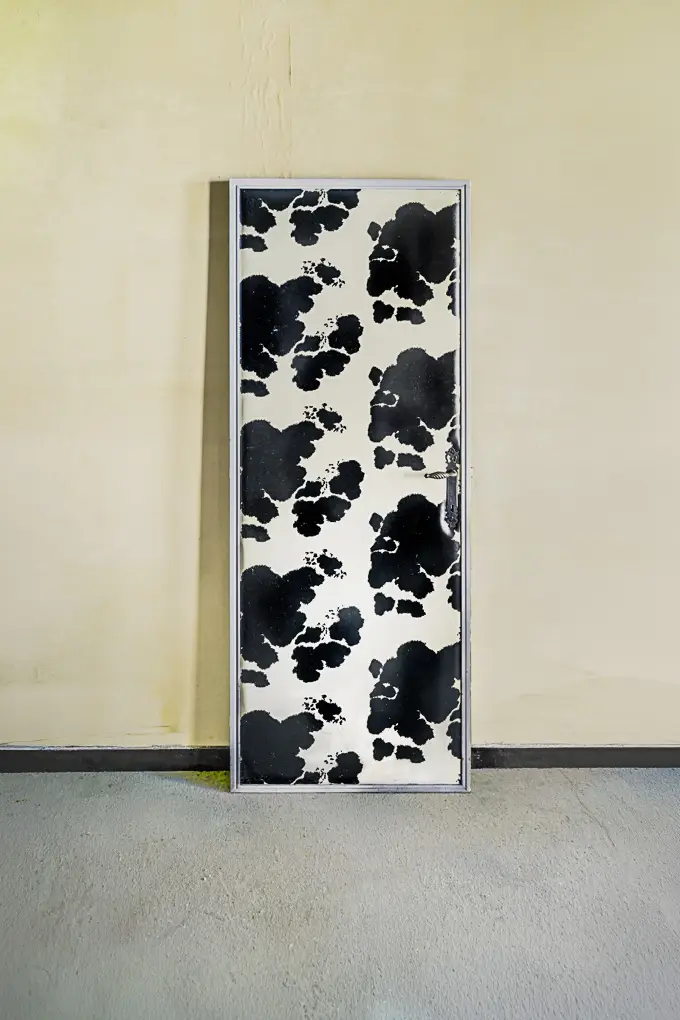
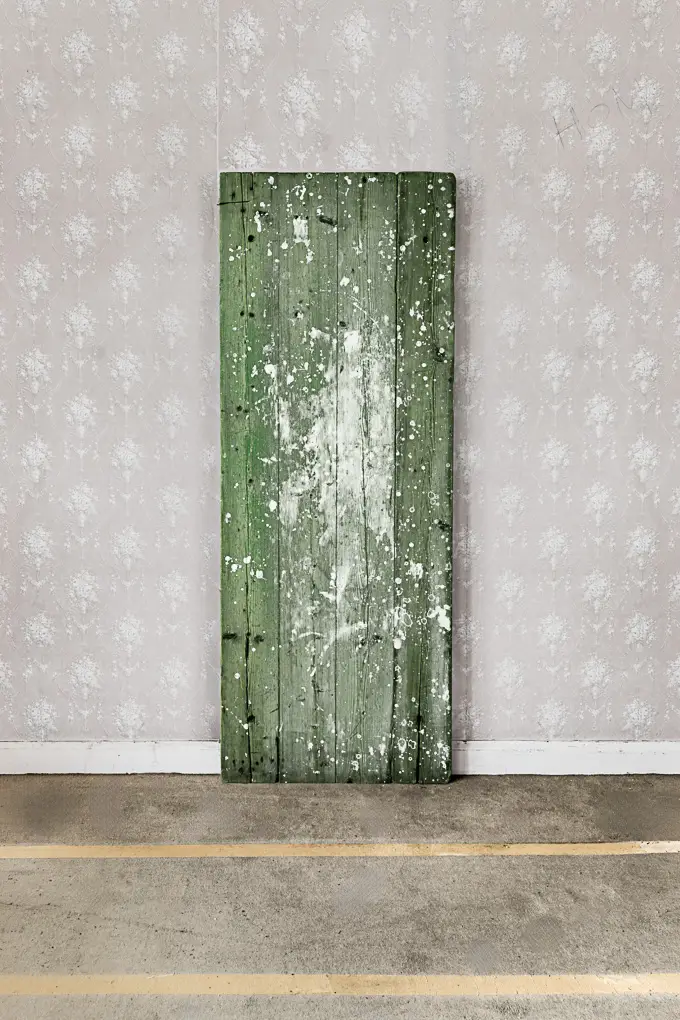
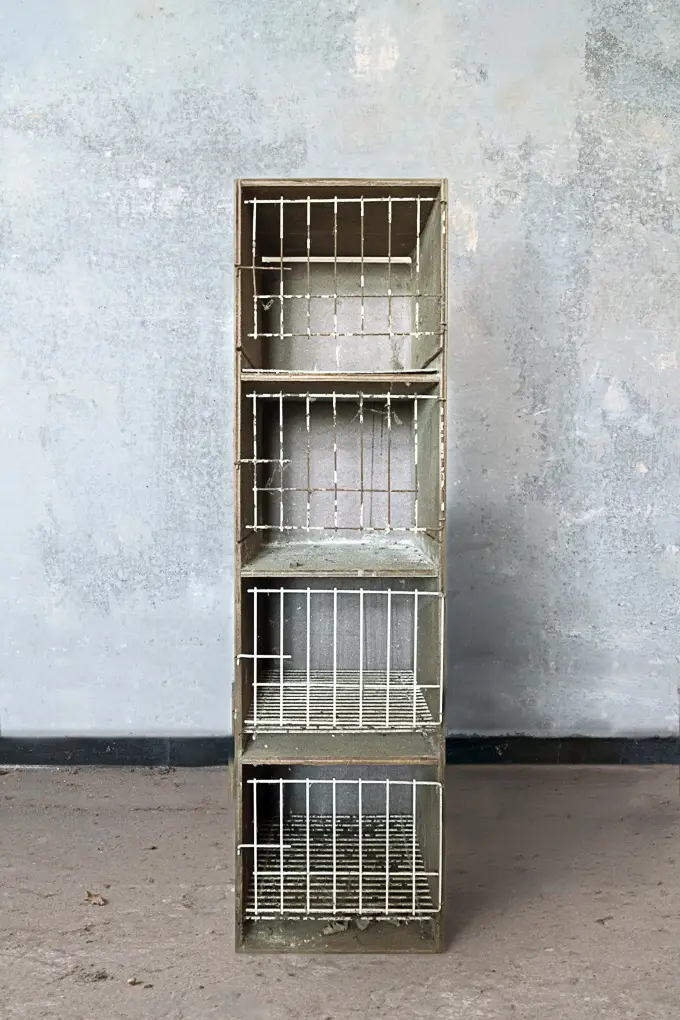
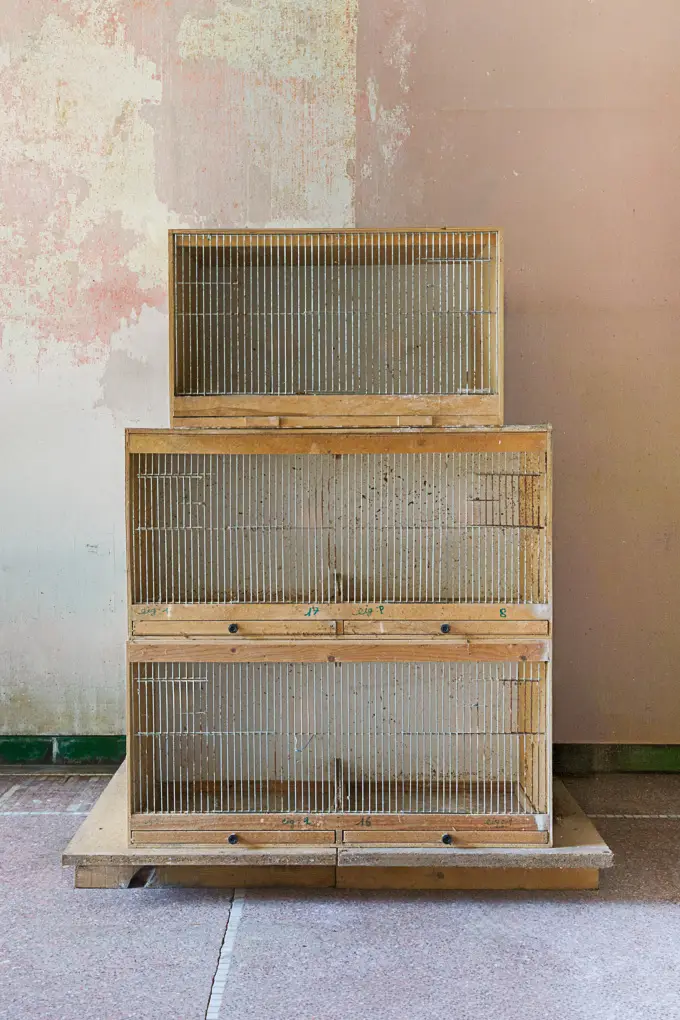
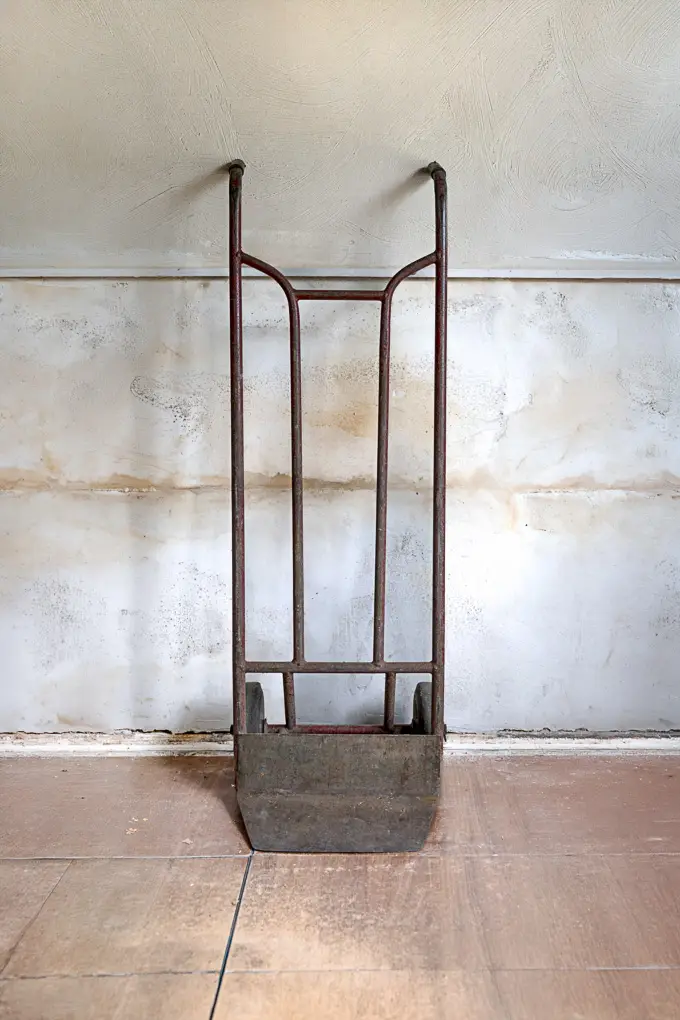
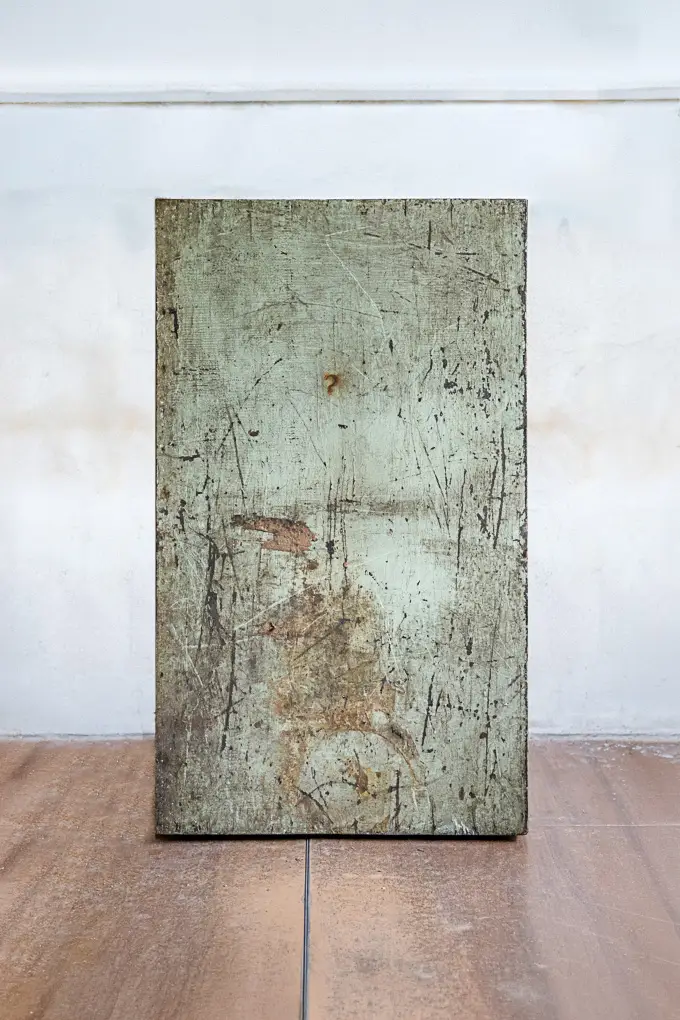
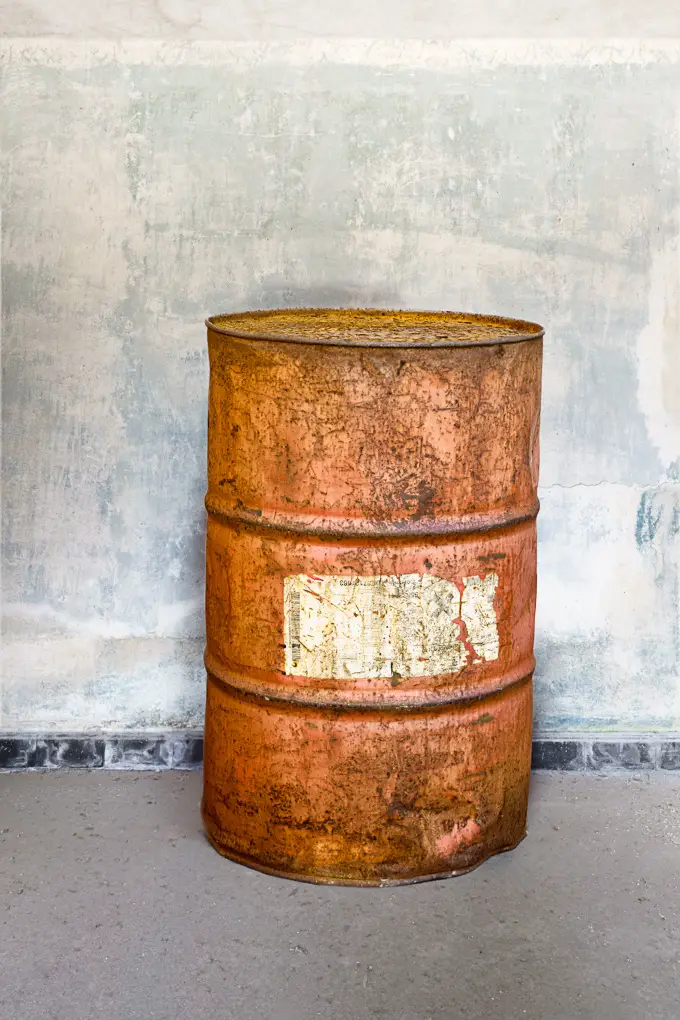
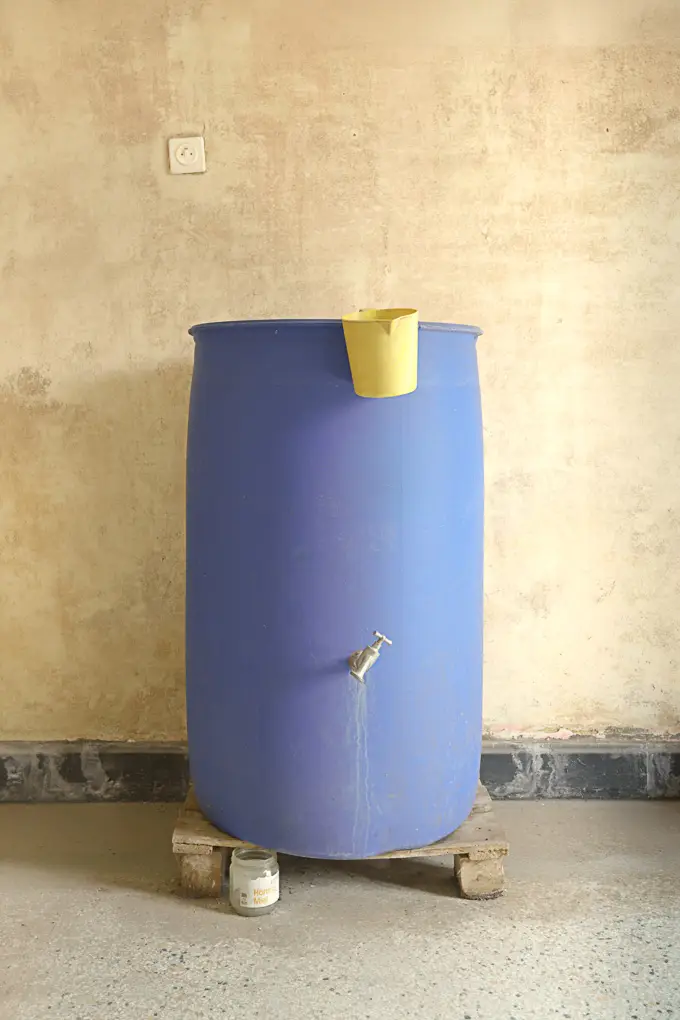
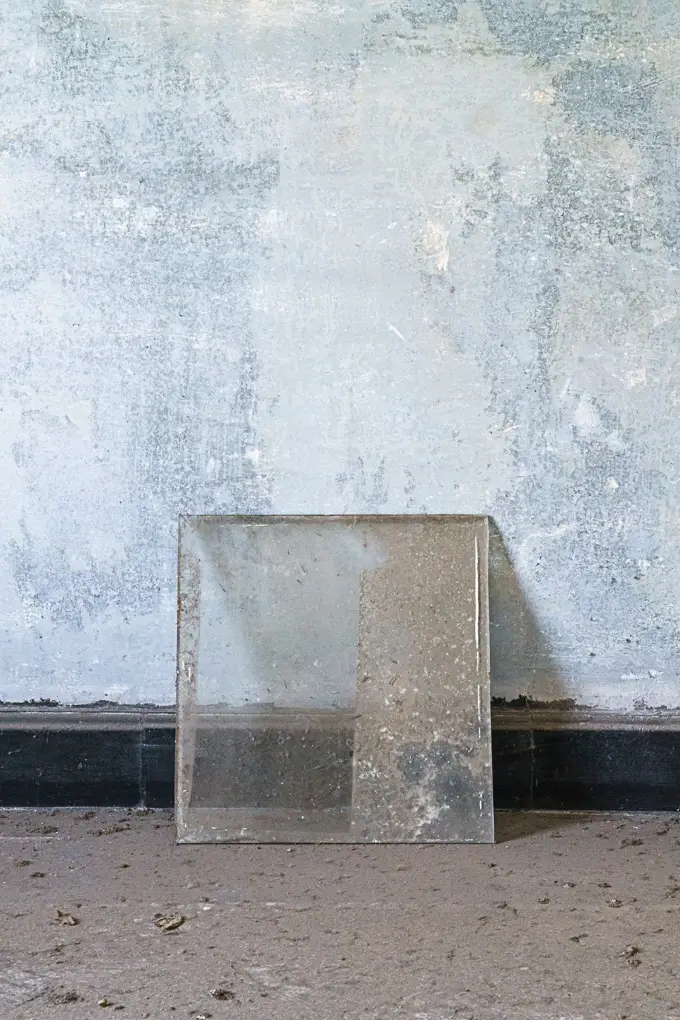
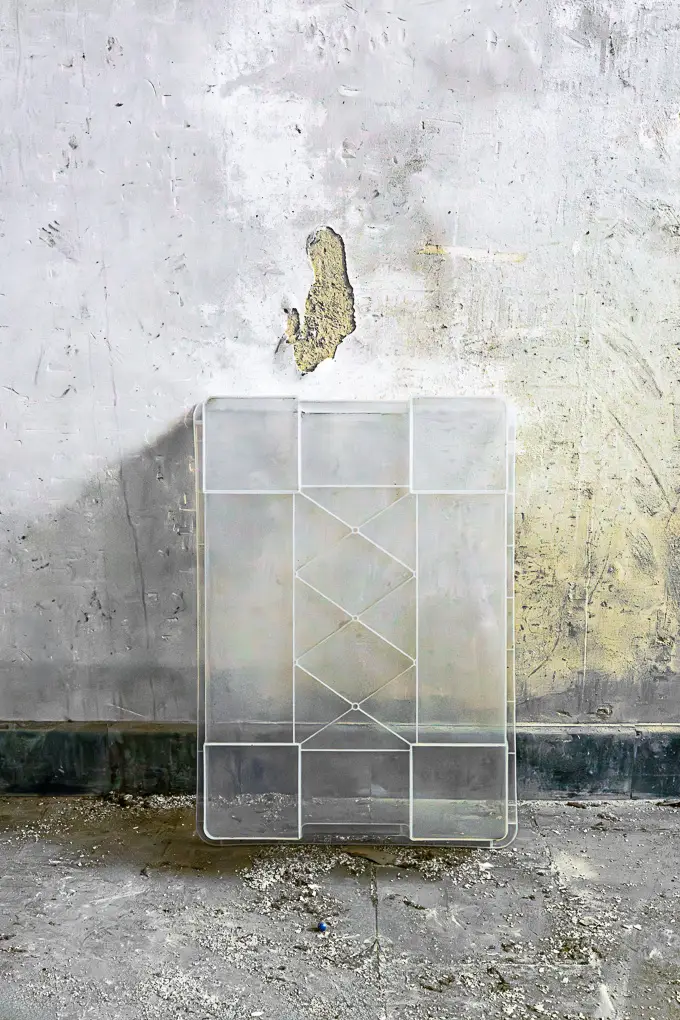
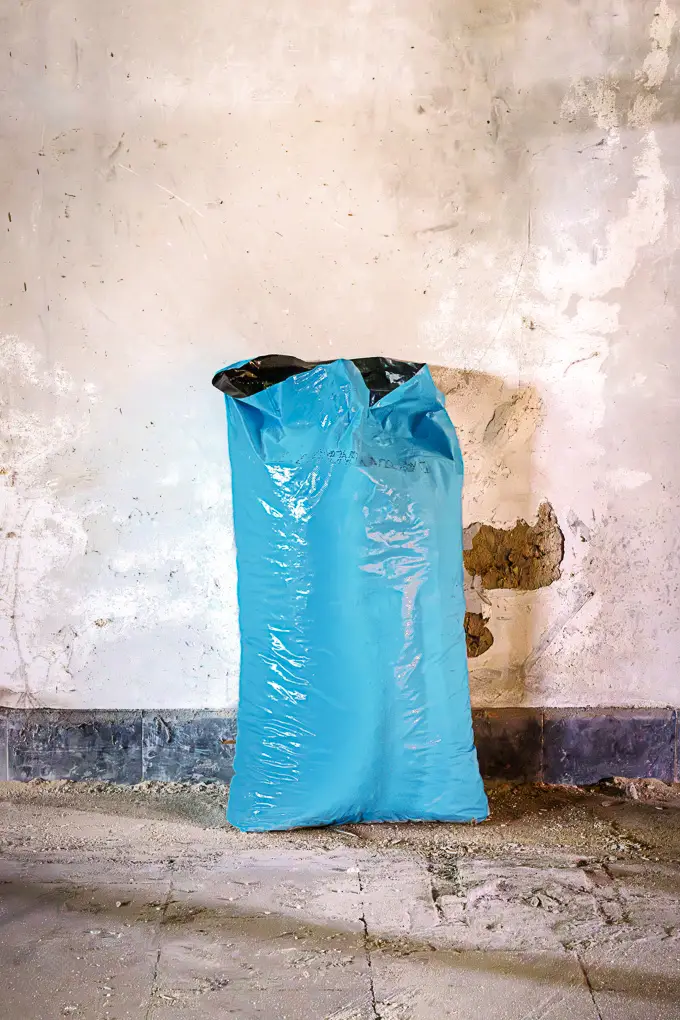
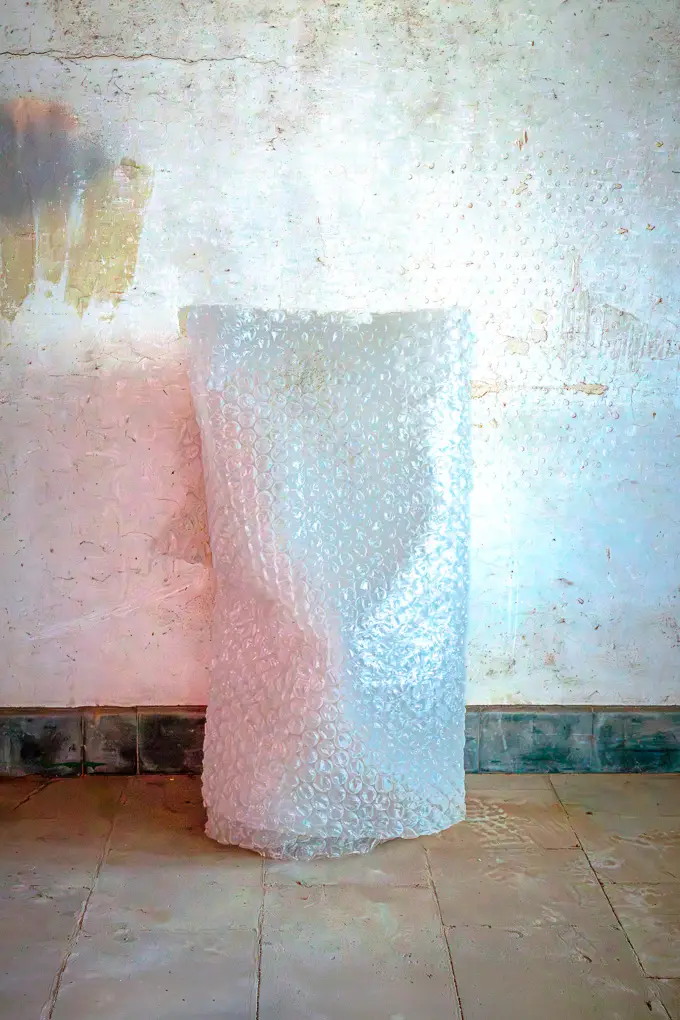
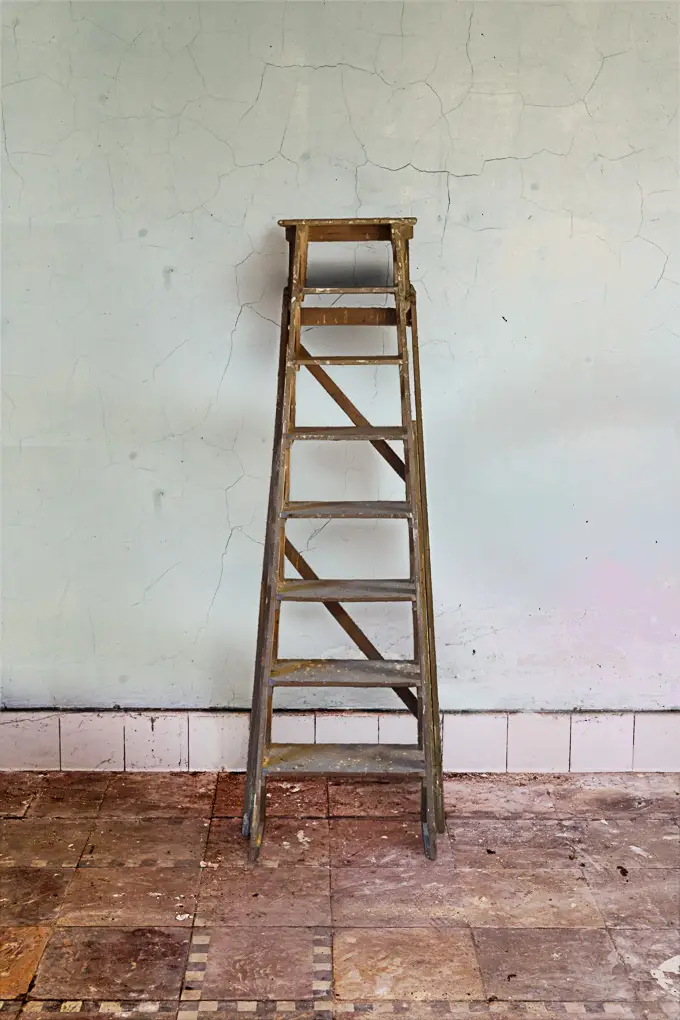
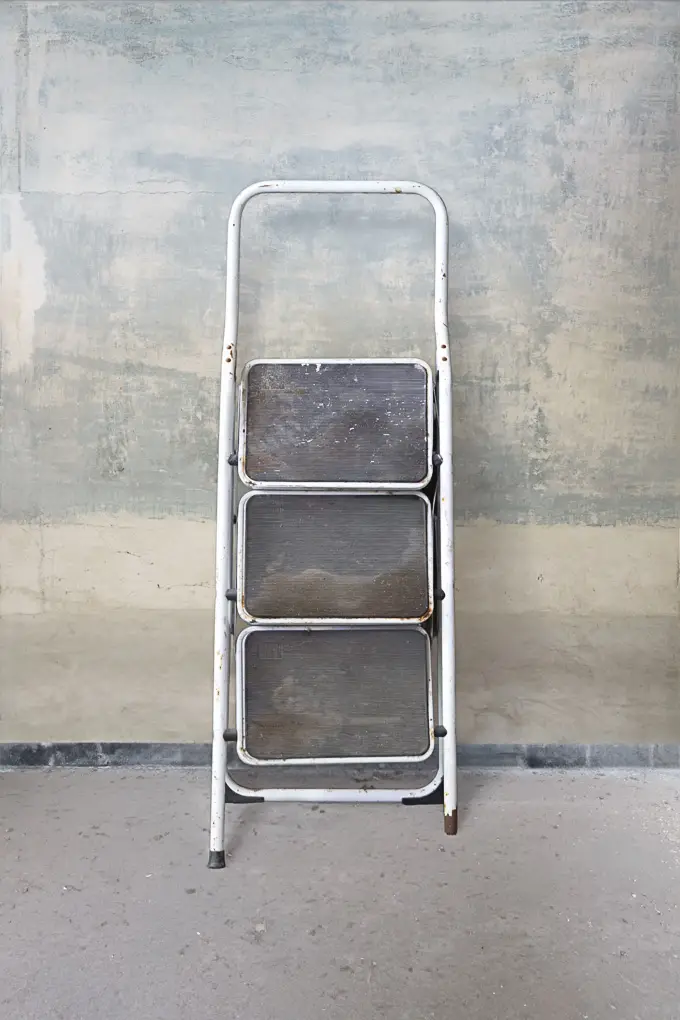
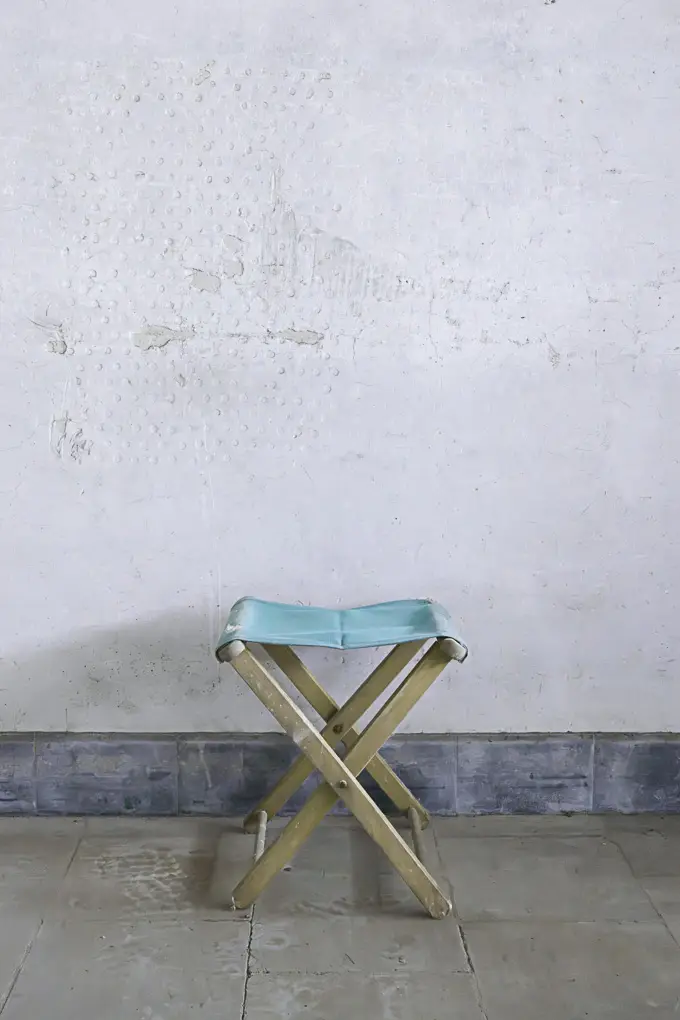
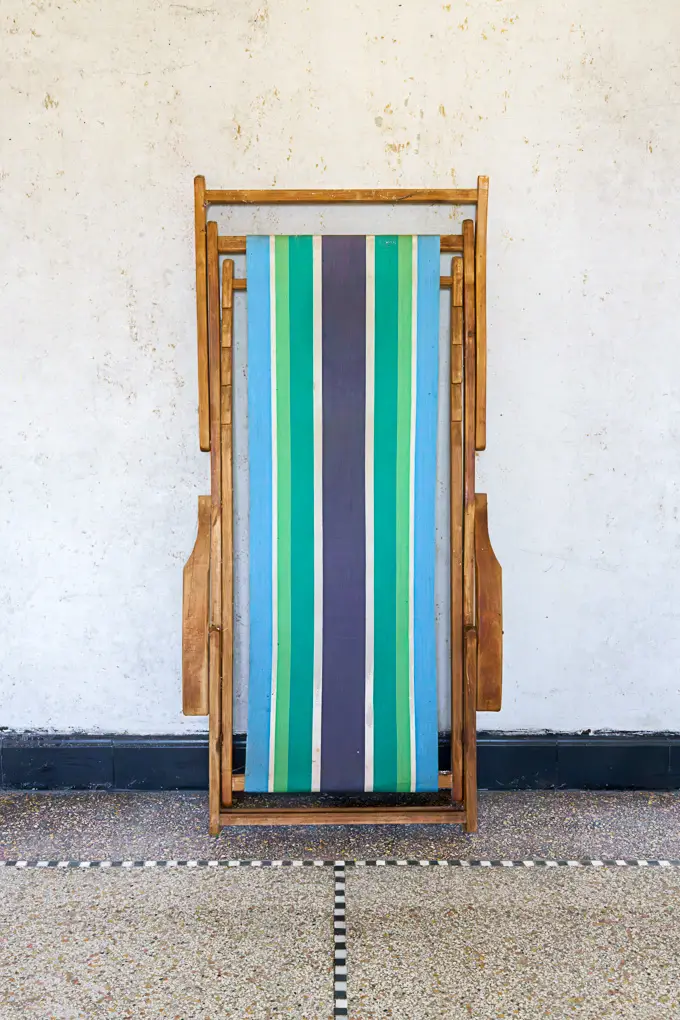
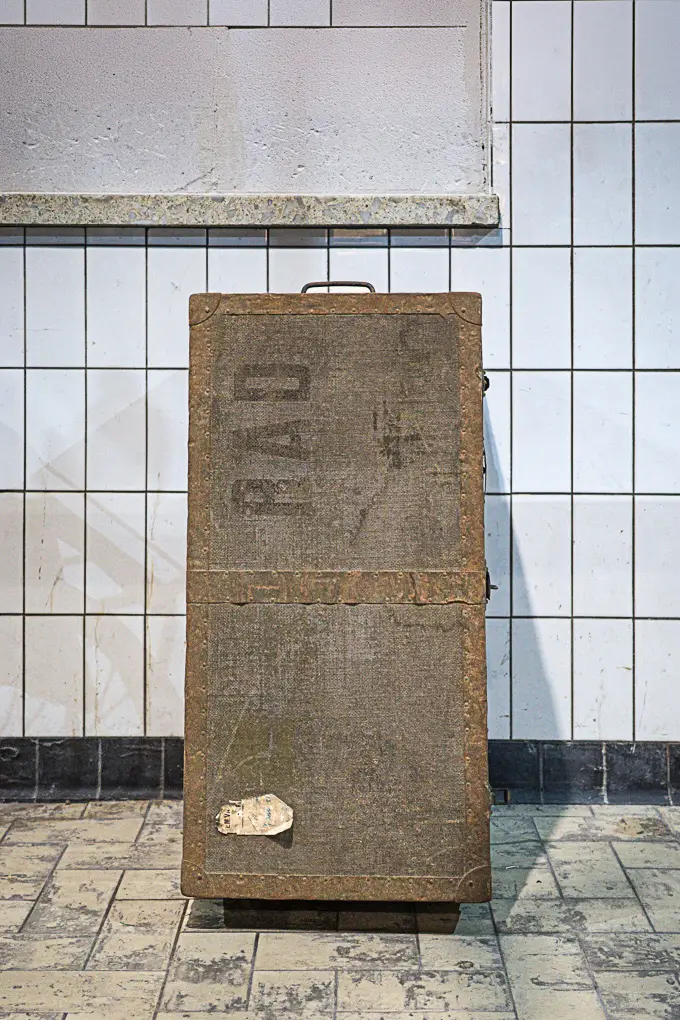
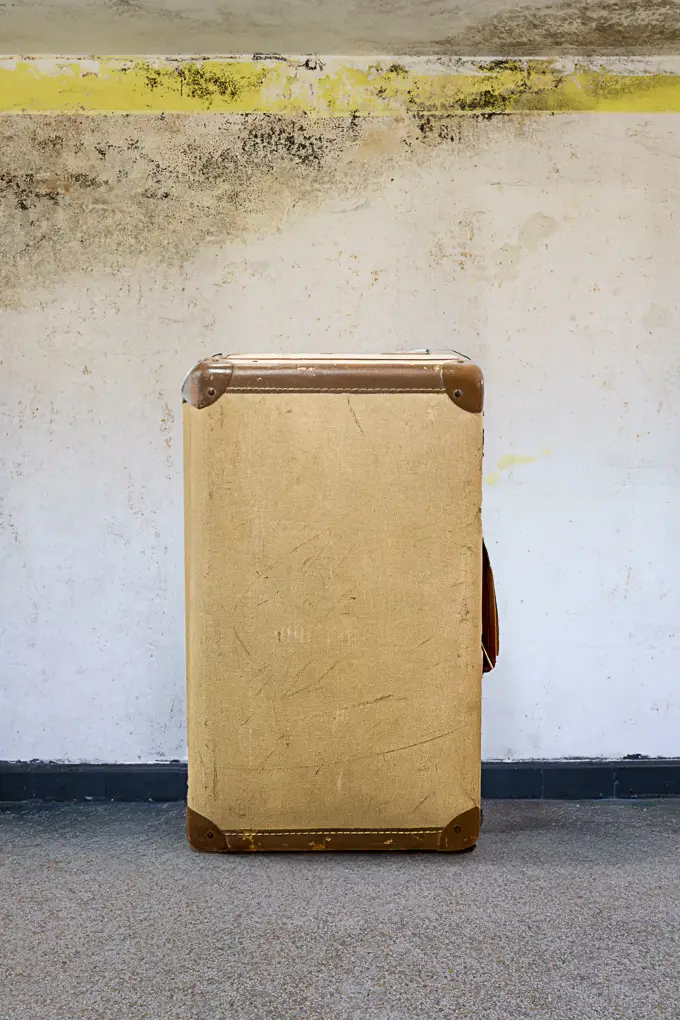
In this project, I explore how elemental forms, functions, and meanings resurface within contemporary objects. My photography focuses on everyday items which—through wear, weathering, or neglect—shed their polished, contemporary layer and begin to radiate something primal and archaic. Through damage or decay, these objects seem to strip down to their absolute essence, as if their physical form exposes its own raw anatomy, allowing an underlying blueprint to emerge.
These images do not express nostalgia, but rather a visual recoil: a threshold moment in which the object casts off its modern identity, allowing a deeper, more elemental beauty to break through. Within the cracks, fractures, rust, frayed edges, and breaks, an aesthetic appears that was never intentionally designed, but rather forces its way out from deep within the material. My work searches for that precise pivot point where the ordinary becomes archaic, where the banal gains a timeless depth, and where the damaged reveals something essential.